The Habit Troubleshooter

Step 1 of 2 · Pick the symptom

Where does your habit get stuck?

Find where it breaks down, then change one part of the plan. Each guide is a practical reference for one moment a habit stalls.

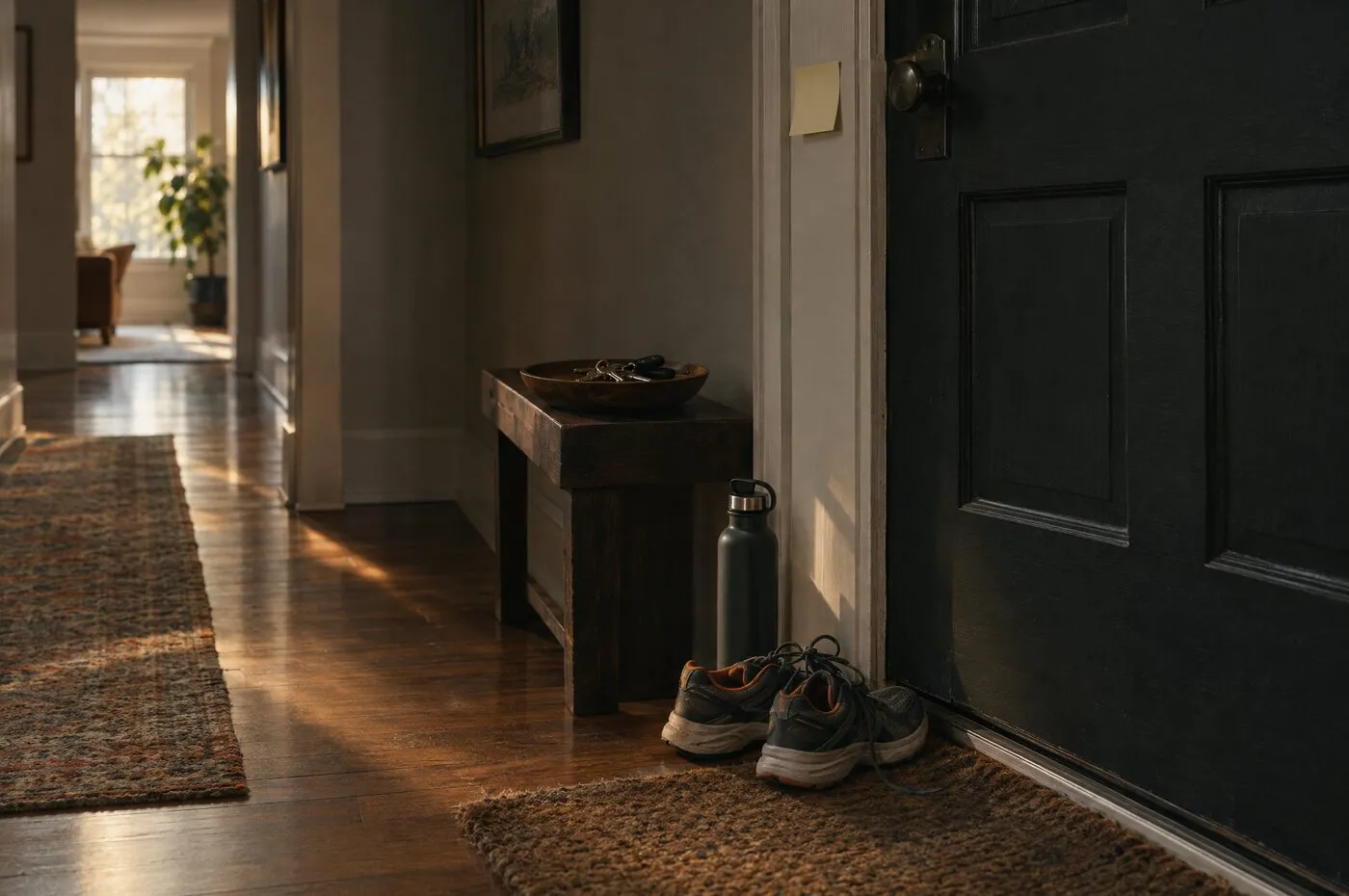
A pair of running shoes and a water bottle waiting by a front door
A habit is a plan with parts: a cue, a time slot, a size and a reward. Change one at a time so you can tell what helped.

Not sure which? Answer two questions

A short decision tree

Question 1

Is the habit happening at all right now?

Only when I remember

Check first: the cueNo dedicated guide yet. Try tying the habit to something you already do, like “after breakfast”.

The guides

All troubleshooting →

Symptom · Restarting

How to Restart Without Designing a Whole New Routine

Oct 6, 2026 · 6 sources · Sources checked Oct 16, 2026

Short answer

After a break, the habit you already had is usually a better starting point than a new plan. In one widely cited habit-formation study, missing the occasional day did not seriously impair progress, and in a study of 61,293 gym members the most effective program rewarded people for returning after a missed workout. Fresh-start dates can lift motivation, but waiting for one costs time.

Adjustment to test

Restart within two days, change one thing, and write an if-then plan for the next lapse.

Symptom · Hard days

How to Make a Smaller Version of Your Habit

Sep 15, 2026 · 5 sources · Sources checked Oct 16, 2026

Short answer

A smaller version is a planned, reduced form of a habit for days when the full version will not fit. No trial has tested this exact tactic, but habit research points the same way: repeating a behavior in a consistent context builds automaticity, simpler behaviors become habitual more readily, and the habit of starting predicts how often people exercise.

Adjustment to test

Build the smaller version around the start of the routine, decide in advance when it applies, and count it as a success.

Symptom · Losing interest

Why Do I Stop a New Habit After the First Week?

Aug 25, 2026 · 8 sources · Sources checked Oct 16, 2026

Short answer

A habit that fades after a week usually ran on enthusiasm, or on a quiet schedule that did not last. Research suggests the reasons people start a behavior (expected benefits) differ from the reasons they keep going (rewards they actually feel), and that habits take weeks to months to become automatic, with wide variation between people. Missing a single day does not appear to derail the process.

Adjustment to test

One change, such as a minimum version or a different time slot, tested for a week.

Every guide runs the same checks

So you can skip to the part you need. Explanations are possibilities to check, not a diagnosis.

  1. 01

    The problem

    What it looks like from the inside.

  2. 02

    What research says

    And what it doesn’t.

  3. 03

    Possible explanations

    More than one may apply.

  4. 04

    One adjustment

    Only one, so you can tell what helped.

  5. 05

    Observation prompt

    A line a day for a week.

  6. 06

    How to review

    Keep it, or test the next one.

When to check with a clinician. If a habit stopped because of new pain, unusual breathlessness, or exhaustion that doesn’t lift with rest, get that checked before restarting an exercise routine. The same applies if low mood or loss of interest has lasted a couple of weeks or more.